
Magazine
Wine Tastings in Trier's Historic Cellars
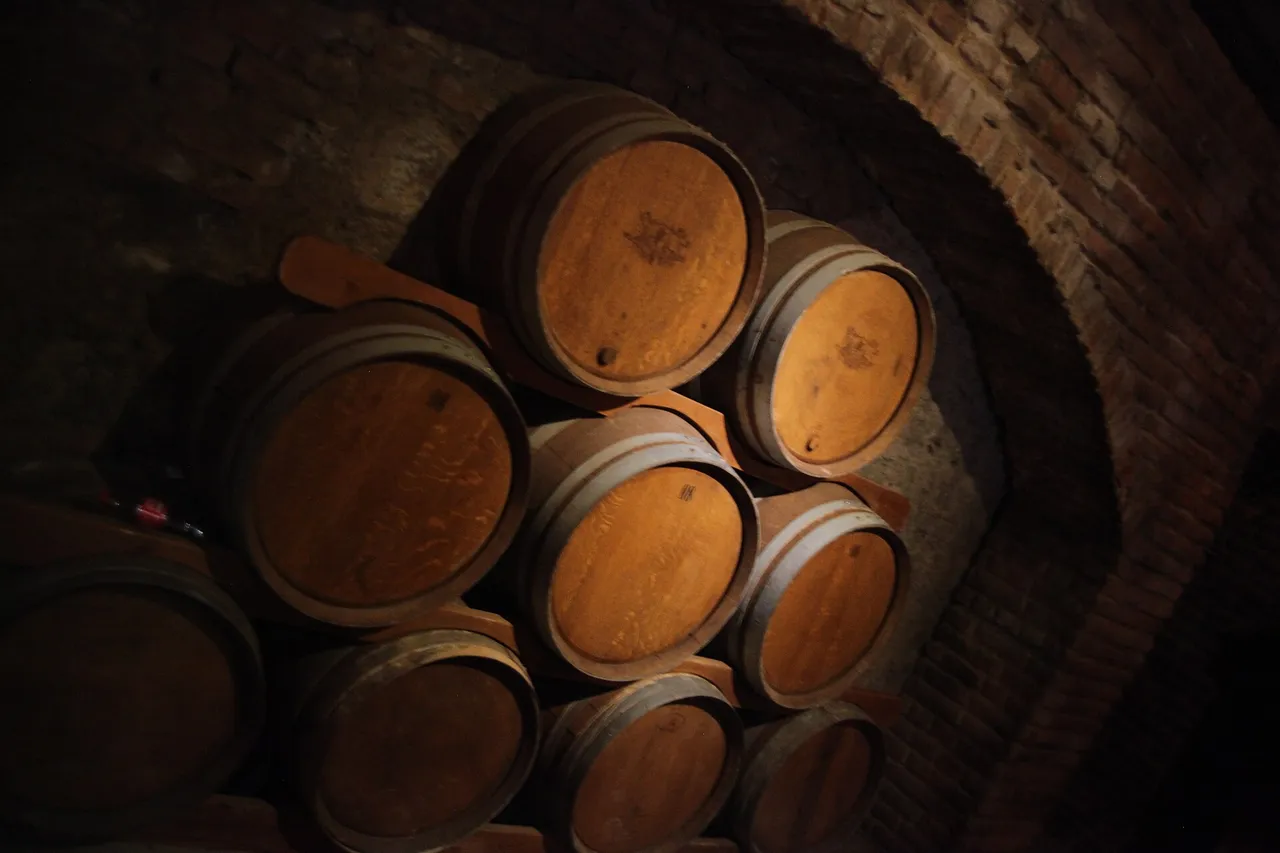
Trier is the oldest city in Germany and pairs its Roman heritage with one of the country's most storied wine cultures. Beneath the lanes of the old town lie vaults and cellars where wine has been aged for centuries. A tasting in these spaces is more than a flight of glasses: it walks you through the city's Roman heritage and shows why the wines from the Mosel, Saar, and Ruwer rivers are prized worldwide. For the fullest experience, pair the tasting with a stroll through the nearby wine quarter of the city.
A short history of Trier's wine cellars
The roots of viticulture in Trier reach deep into antiquity. The Romans were already cultivating vines on the slopes of the Mosel, Saar, and Ruwer and built cellars to store wine and provisions. These vaults were so solidly constructed that parts of them remained in use for centuries.
In the Middle Ages many of the cellars were absorbed into the growing city and tied into the buildings around the medieval city wall. They served not only as storage but also as trading depots for the wine commerce that made Trier wealthy.
Today many of these vaults have been restored and now host wine tastings and cultural events. Their proximity to Trier Cathedral (Trierer Dom) makes a walk through the cellars an experience where history and pleasure are tightly intertwined.
The wines of the Mosel, Saar, and Ruwer
Riesling is the flagship grape of the region. On the steep slate slopes it produces wines that translate the terroir with remarkable finesse: from dry to nobly sweet, with citrus notes and a pronounced minerality. This range is what has made Mosel Riesling internationally renowned.
Alongside Riesling, several other grape varieties grown in the region add welcome variety to any tasting.
- Elbling: one of the oldest grape varieties in Europe, grown mainly on the upper Mosel and yielding fresh, light wines
- Weißburgunder (Pinot Blanc): elegant and fruity, a good companion for refined cuisine
- Spätburgunder (Pinot Noir): velvety reds with complex aromas
What a typical tasting looks like
A tasting often opens with a welcome and a glass of sparkling wine. A guided walk through the cellar follows, with explanations of how the wines are made, before various wines are sampled. Small bites like bread and cheese are usually served alongside.
To get the most out of the experience, a few simple ground rules go a long way.
- Aroma: give the bouquet time and inhale deliberately
- Taste: let the wine move around your mouth to pick up every note
- Water: sip between wines to reset your palate
Guided tours through the historic cellars
A classic cellar tour runs about an hour and leads through ancient vaults and passageways where the region's millennia-old wine tradition is palpable. A flight of selected wines follows the walk.
Experience-driven formats are especially popular, such as the Kellergeister-Tour (Cellar Ghosts Tour), which guides visitors through expansive vaults and includes wines from the traditional Reichsgraf von Kesselstatt estate. The so-called WeinWalk links aboveground and underground stops around the courtyards of the baroque palace and the cellars in the shadow of the cathedral. Many tours can be booked privately for groups, and some are available in English.
If you want to dig deeper into the wine culture beyond the cellars, take a look at our overview of winery tours and the Weinkulturpfad Olewig (Olewig Wine Culture Trail) for more starting points.
What to eat with the wine
Regional specialties pair well with the tastings. A classic is the Trierer Schwenkbraten, a marinated pork-neck steak grilled over vine wood. It is typically served with a potato gratin and fresh salads.
Many providers put together menu-and-tasting packages that range from a pure flight of wines to a multi-course meal with sparkling wine, soup, and dessert. The exact content and pricing vary by host and season, so it pays to inquire directly. For more flavors of the region, our food and drink section and our guide to the best wine taverns are good next stops.
Wine culture and tradition in Trier
Trier is a long-standing capital of Mosel wine. The Romans were already growing vines here, and the vineyards along the Mosel, Saar, and Ruwer still shape the landscape today. The city's historic wine cellar has been recognized as a site of outstanding importance for German wine culture.
Wine culture is now experiencing a renaissance: modern estates focus on sustainability and quality, and a wealth of tastings and events showcase the region's range. If you are planning a visit, pair a tasting with a stroll across the Hauptmarkt (the main market square) or set aside a full wine day in the village of Olewig (a wine village within Trier).
Ad
Mosel Riesling for home
Want to enjoy the wines of the Mosel, Saar, and Ruwer at home? Our partners carry a broad selection of Riesling and more.
* Affiliate link. If you book, we may earn a commission at no extra cost to you.
Frequently asked questions
When do the wine tastings take place?
Many hosts offer fixed weekly slots, often on Saturday afternoons. Beyond that, tastings for groups can usually be arranged on request. Check the current times directly with the provider.
Which wines are poured?
Riesling takes center stage. Tastings often also include Elbling, Weißburgunder (Pinot Blanc), and Spätburgunder (Pinot Noir) from the Mosel, Saar, and Ruwer growing areas.
Are the tastings suitable for beginners?
Yes. The tours and tastings are designed so that newcomers and seasoned wine lovers both get something out of them. The host explains the essentials of tasting in plain language.
Are there special packages for groups?
Yes, many cellars offer group packages and tailored tours, including experience-driven formats like the Kellergeister-Tour and the WeinWalk. Booking on request is recommended.