
Magazine
Organic Wineries in Trier and Along the Moselle: Sustainable Wine Country
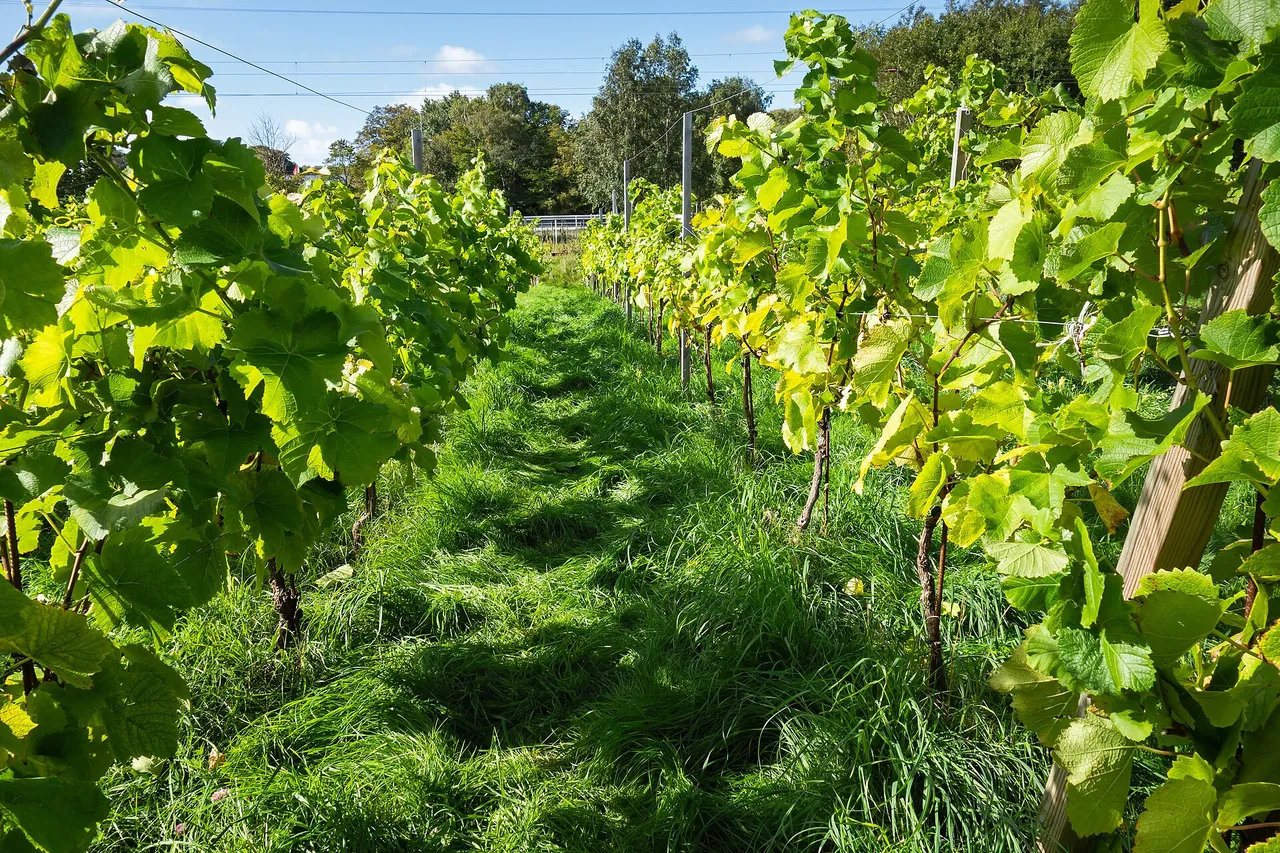
The Moselle valley around Trier is one of Germany's oldest wine regions, and a growing number of winemakers here have committed to organic viticulture. Organic wineries skip synthetic pesticides and fertilizers, encourage biodiversity in the steep slate vineyards, and craft wines with a clear sense of place. If you are visiting Trier, you can taste this philosophy straight from the glass, whether at a tasting in a vaulted cellar or along the wine culture trail in Olewig. This overview explains what organic Mosel wine is all about and how to weave a winery visit into a trip to Trier.
What sets organic Mosel wine apart
Organic viticulture is about more than skipping synthetic sprays. Organic growers work with cover crops between the vine rows, organic fertilization, and plant protection based on copper, sulfur, and natural methods rather than synthetic chemistry. The goal is a living soil that makes the vines more resilient and preserves the signature of the site in the wine.
The famous steep slopes of the Mosel, with their slate soils, are both a challenge and an advantage. The hillsides can only be worked by hand, but they store warmth and shape the mineral character of the wines. Riesling in particular thrives in these conditions and forms the backbone of many estates in and around Trier.
History of organic viticulture on the Moselle
Organic wine growing in Germany gained momentum in the 1980s, when individual winemakers began rethinking their cultivation methods from the ground up. In 1985, the Ecovin association was founded, and it is now the largest German federation for organic viticulture, with members along the Mosel as well.
Over the decades, what started as a niche has grown into a serious movement. Converting to organic methods strengthened biodiversity in the vineyards and sharpened the region's profile as a source of high-quality, environmentally minded wines. As the center of wine culture along the Mosel, Saar, and Ruwer rivers, Trier has clearly benefited from this shift.
Organic practices in the vineyard
Healthy soil is at the heart of organic farming. Instead of synthetic fertilizers, growers use compost, manure, and targeted cover cropping that prevents erosion and attracts beneficial insects. The result is a stable ecosystem that keeps pests in check naturally.
- Soil care through cover crops and organic fertilization instead of synthetic inputs
- Plant protection based on copper, sulfur, and plant-strengthening preparations
- Encouraging natural predators with hedgerows and flowering strips
- Resource efficiency through solar power, reusable shipping boxes, and recycling
Grape varieties and wine styles
Riesling is the undisputed leading variety of the Mosel and accounts for most of the vineyard area. On the steep slopes around Trier it produces delicate, mineral wines from bone dry to nobly sweet. You will also find Weißburgunder (Pinot Blanc) and, for red wine, Spätburgunder (Pinot Noir).
Some organic estates also cultivate fungus-resistant varieties such as Regent, which need less plant protection and fit the organic philosophy well. A significant share of the harvest is also turned into sparkling wine using the traditional bottle-fermentation method, aging in the region's deep vaulted cellars. If you want to go deeper, our overviews of wine traditions and sparkling wine cellars and experiences offer more inspiration.
Tastings, tours, and wine tourism
Many organic wineries open their doors to visitors and offer tastings right in the cellar or out in the vineyard. A tasting is the best way to compare the character of different sites and to talk shop with the winemakers. Tours can often be combined with a walk through the vines.
When planning a trip to Trier, it is easy to combine a winery visit with the city itself. From the district of Olewig (Trier's traditional wine village), it is a short hop to the center with the Porta Nigra (the Black Gate) and the rest of the Roman monuments. If you want to plan several stops, our roundups of the best wine bars and Mosel wine tours map out fitting routes.
Certifications and labels
To recognize organic wine, look for established seals. They guarantee that production is monitored according to organic criteria, some of which go well beyond the legal minimum.
- Demeter: the label for biodynamic viticulture, with especially strict standards
- Ecovin: the largest German association for organic wine growing
- Bioland: a major organic label with broad ecological criteria
- EU organic seal: the legally regulated baseline certification for organic production
Ad
Order Mosel organic wines for delivery
Want to take the taste of the Moselle home with you? These wine partners offer a wide selection of Riesling and more, conveniently delivered to your door.
* Affiliate link. If you book, we may earn a commission at no extra cost to you.
Frequently asked questions
How does organic wine differ from conventional wine?
Organic wine is produced without synthetic pesticides or mineral fertilizers. In the vineyard, growers work with cover crops, organic fertilization, and natural plant protection, which benefits soil health and biodiversity.
Which grape varieties are typical of the Moselle?
Riesling is the flagship variety. You will also find Weißburgunder (Pinot Blanc) and Spätburgunder (Pinot Noir), and some organic estates focus on fungus-resistant varieties such as Regent.
How can I spot organic wine when shopping?
Look for recognized seals such as Ecovin, Demeter, or Bioland, as well as the EU organic logo. They certify monitored organic cultivation.
Can you visit organic wineries around Trier?
Yes. Many estates offer tastings, cellar tours, and sometimes overnight stays. A visit pairs well with sightseeing in Trier itself.
Are all organic wines automatically vegan?
No. The organic label refers to grape growing, not to cellar work. Many organic wineries do skip animal-based fining agents, but a vegan wine should be labeled as such separately.