
Magazine
The Moselle Loop near Trier: Vineyards, Romans, and the Best Views
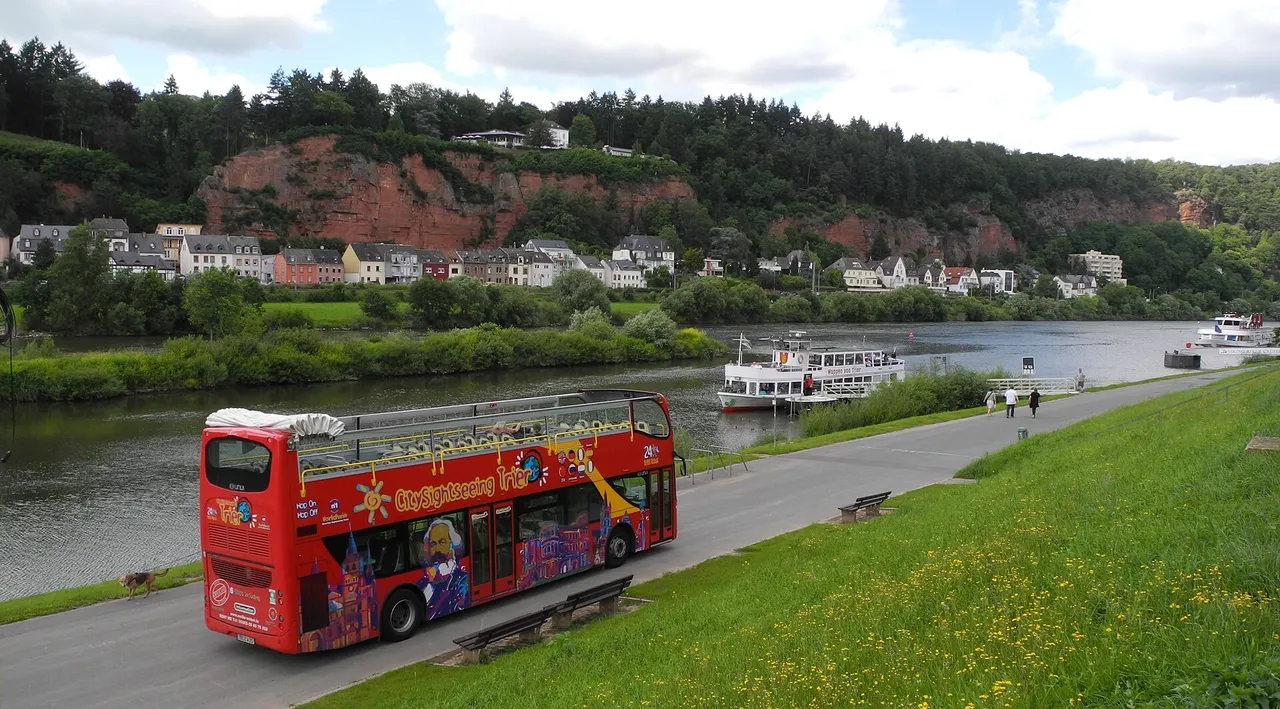
The Moselle (Mosel in German) is a river in southwestern Germany that winds toward the Rhine in a series of dramatic hairpin bends, and the stretch around Trier is one of the most striking wine landscapes in the country. Steep slate slopes, sun-soaked Riesling vineyards, and a winegrowing tradition that reaches back to antiquity define the valley between Trier and Bernkastel-Kues. Exploring the Moselschleife (the Moselle loop) means combining scenery, history, and food and wine in a single day out. Trier itself is Germany's oldest city, roughly two hours west of Frankfurt, and the span from the Porta Nigra (the Black Gate) to the vineyards above the river bends is what keeps travelers coming back.
Roman winegrowing on the Moselle
Wine has shaped life along the Moselle for roughly 2,000 years. The Romans brought cultivation methods and grape varieties to the region and laid the foundation for a tradition that is still alive today. Villages such as Schweich and Trittenheim make good places to pick up that thread along the old wine road.
Archaeological finds such as Roman wine presses, along with written sources, document how far back the tradition runs. In the 6th century, the late antique poet Venantius Fortunatus described the vineyards of the Moselle in his poem about a journey along the river, evidence that winegrowing already mattered enormously by then.
If you want to dig deeper into the region's Roman legacy, Trier is full of surviving evidence from antiquity. There is more in the overview of the city's Roman heritage and on the page covering wine.
Wine hikes with a view
Wine hikes are the most rewarding way to combine scenery and tasting. The trails climb through steep vineyards, past dry stone walls and old rows of vines, and pay you back with wide views over the river bends.
The Wehlener Sonnenuhr tour takes about 2.5 hours and pairs easily with a tasting. The walk through the Leiwen vineyards runs roughly three to three and a half hours and delivers some of the most impressive views of the Moselle valley. Along the way there are plenty of chances to sample regional specialties and Riesling.
- Sturdy shoes for steep, uneven paths
- Plenty of water, especially in summer
- Sun protection: hat and sunscreen
- Light snacks for the trail
- A camera for the views over the river bends
Wine villages between Trier and Zell
Trier is Germany's oldest city and a major center of Moselle winegrowing. Alongside historic landmarks such as the Porta Nigra and the Trierer Dom (Trier Cathedral), you will find a dense cluster of wineries and wine taverns here.
Bernkastel-Kues charms visitors with its picture-book old town, the Machern monastery, and the ruins of Landshut Castle high above the river. It is widely considered one of the tourist hearts of the middle Moselle.
Zell is famous for a wine called Zeller Schwarze Katz, meaning "Zell's black cat." According to local legend, a black cat sat on one particular barrel in the 19th century, and that barrel was then chosen as the best wine. Today Zell has one of the largest vineyard areas on the Moselle and ranks among the region's best-known wine communities.
Wine festivals and events
Wine festivals are the highlights of the Moselle calendar. The Weinfest der Mittelmosel (Middle Moselle wine festival) in Bernkastel-Kues traditionally takes place in late summer and draws large crowds with tastings, music, and festive parades.
Trier has its own wine events too, including guided tastings and social formats out in the vineyard sites. For a current overview, see the pages on wine festivals and Moselle wine tours.
If you are planning around a festival, book tickets and lodging early, pack for changeable weather, and use shuttle services or public transportation where possible.
Winegrowing today: tradition meets innovation
Moselle winegrowing blends inherited knowledge with modern methods. Growers still work the steep sites largely by hand, which is slow and physically demanding, while adopting contemporary technology where it genuinely helps.
Sustainability keeps gaining ground. Many estates farm organically and skip chemical crop protection, which protects the ecology of the vineyards. That is how the high quality of Moselle wines is meant to survive for coming generations.
The mix of culture, landscape, and food and wine makes the Moselle region around Trier a genuinely distinctive destination. If you want to see more of the city itself, the three-day Trier itinerary is a good starting point.
Ad
Moselle wines for home
Order Riesling and other Moselle wines for delivery and bring the flavor of the region home with you.
* Affiliate link. If you book, we may earn a commission at no extra cost to you.
Frequently asked questions
Where is the Moselle loop near Trier?
The Moselle winds through the valley in a long series of loops between Trier and Bernkastel-Kues. The steep vineyards on the inner and outer banks of these bends define the landscape and create a great many viewpoints.
Which Moselle wine hikes are worth doing?
Two favorites are the Wehlener Sonnenuhr tour at around 2.5 hours and the walk through the Leiwen vineyards at roughly three to three and a half hours. Both pair well with a wine tasting.
What is the story behind Zeller Schwarze Katz?
The name goes back to a 19th century legend in which a black cat sat on a wine barrel, and that barrel was then chosen as the best of the cellar. Today Zeller Schwarze Katz is a well-known regional wine name.
Which Moselle towns are known for wine?
Above all Trier, Germany's oldest city, along with Bernkastel-Kues with its picturesque old town and Zell with its Zeller Schwarze Katz.