
Magazine
St. Gangolf: The Market Church on Trier's Hauptmarkt
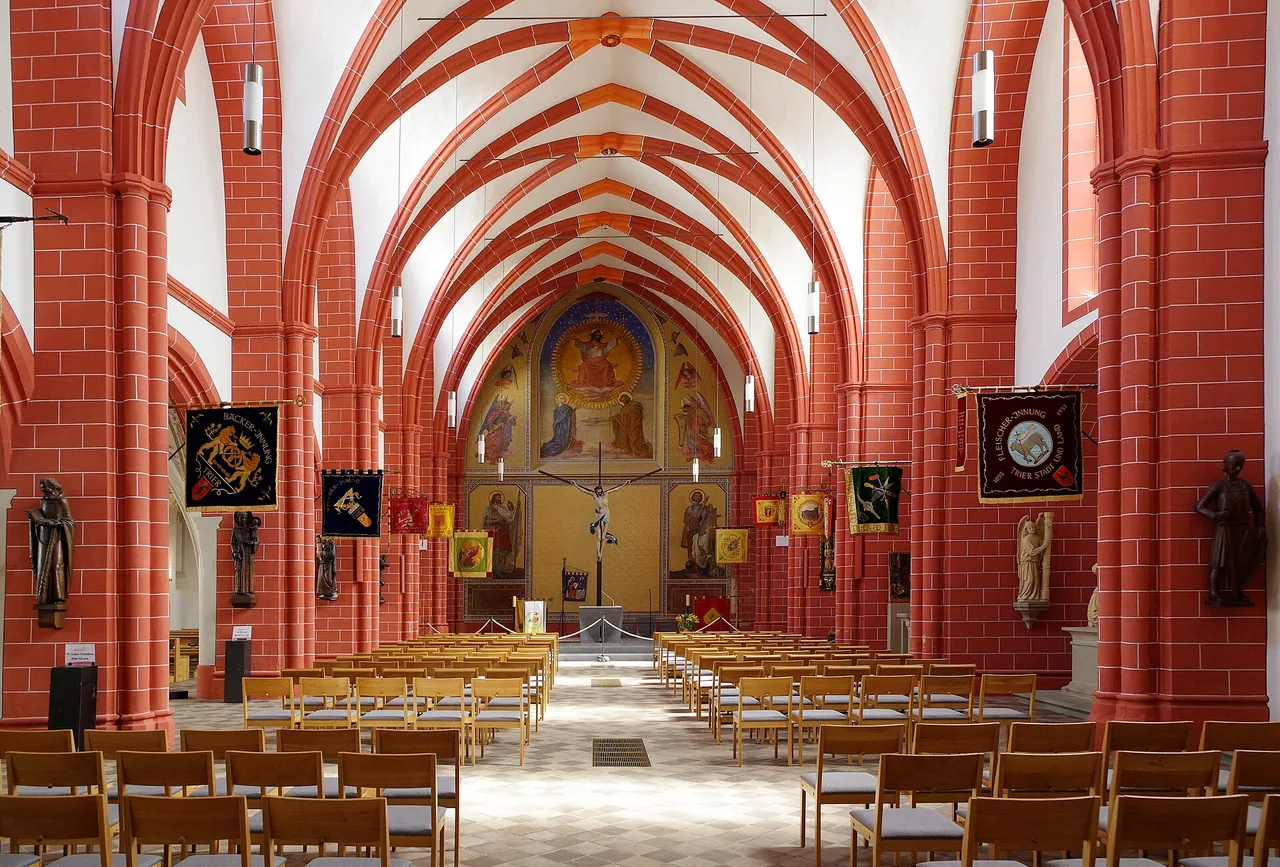
In the middle of the bustle on the Hauptmarkt (the main market square) stands a building many visitors miss at first glance, because it presses so tightly into the row of houses: the parish church of St. Gangolf. It is Trier's market church and citizens' church, and it carries the tallest church tower in the city. Behind the narrow entrance portal is a Gothic interior that speaks to the confidence of the medieval townspeople. If you are working through Roman and ecclesiastical Trier, this quieter landmark is worth a few minutes.
A citizens' church with a long history
St. Gangolf is named for Saint Gangolf, a Frankish martyr of the 8th century. A church on this spot is documented from the 10th century onward, and it served early on as the parish and market church of Trier's townspeople. That sets it fundamentally apart from the nearby Trierer Dom (Trier Cathedral), which belonged to the archbishop and the cathedral chapter.
The church was rebuilt and expanded repeatedly over the centuries. Its present appearance is defined above all by the Gothic building phase of the late Middle Ages. St. Gangolf was always tied closely to civic life, and it still stands as a symbol of townspeople's pride right on the city's most important square.
The tallest tower in the city
The most striking thing about St. Gangolf is its tower. In the 16th century, Trier's citizens had it raised substantially, explicitly so that it would rise higher than the towers of the archbishop's cathedral. That contest between townspeople and church authority turned the tower into a political statement in stone.
The tower still rises above the surrounding rooflines and remains a reliable point of orientation around the Hauptmarkt. Wander the lanes of downtown Trier and you keep catching sight of it between the gables.
Architecture and interior
St. Gangolf today reads mainly as a Gothic hall church, with pointed arch windows and slender piers. You enter through a narrow portal on the market side, behind which the nave opens up unexpectedly wide. That hidden position is a large part of the church's appeal.
Inside, the historic furnishings reward a closer look, including altars, statuary, and the tracery of the windows. The church is still an active place of worship, used for services and occasionally for concerts. Unlike the monumental Konstantinbasilika (Basilica of Constantine), St. Gangolf feels intimate and grown into a tight space.
Tips for visiting
St. Gangolf sits directly on the Hauptmarkt and folds easily into a city walk. A few minutes on foot get you to the Porta Nigra to the north and to the cathedral and the Liebfrauenkirche to the east. Entry to the nave is usually free, with donations requested toward upkeep.
If you want more on the history of the city and its sacred buildings, consider a guided walking tour, since St. Gangolf and the Hauptmarkt are frequently on the route. The parish office on site can tell you current opening and service times.
Ad
Tickets for Trier
Book admission and guided tours for the sights of Trier's old town in advance.
* Affiliate link. If you book, we may earn a commission at no extra cost to you.
Frequently asked questions
Where is St. Gangolf church in Trier?
St. Gangolf stands directly on Trier's Hauptmarkt, the central market square of the old town. The entrance is on the narrow market frontage between the surrounding houses.
Why is the tower of St. Gangolf so well known?
Trier's citizens had the tower raised in the 16th century in order to outdo the archbishop's cathedral. St. Gangolf therefore carries the tallest church tower in the city and is seen as a symbol of civic self-confidence.
Can you visit St. Gangolf?
Yes. As the market church, the nave is generally accessible during the day. Since it is an active place of worship, visitors should work around service times. The parish office on site provides exact opening hours.
What sets St. Gangolf apart from Trier Cathedral?
St. Gangolf was always the parish and market church of the townspeople, while the cathedral belonged to the archbishop. That contrast shapes the history of both buildings, not least in the contest over tower height.