
Magazine
Wine Seminars in Trier: Knowledge and Enjoyment of Mosel Wine
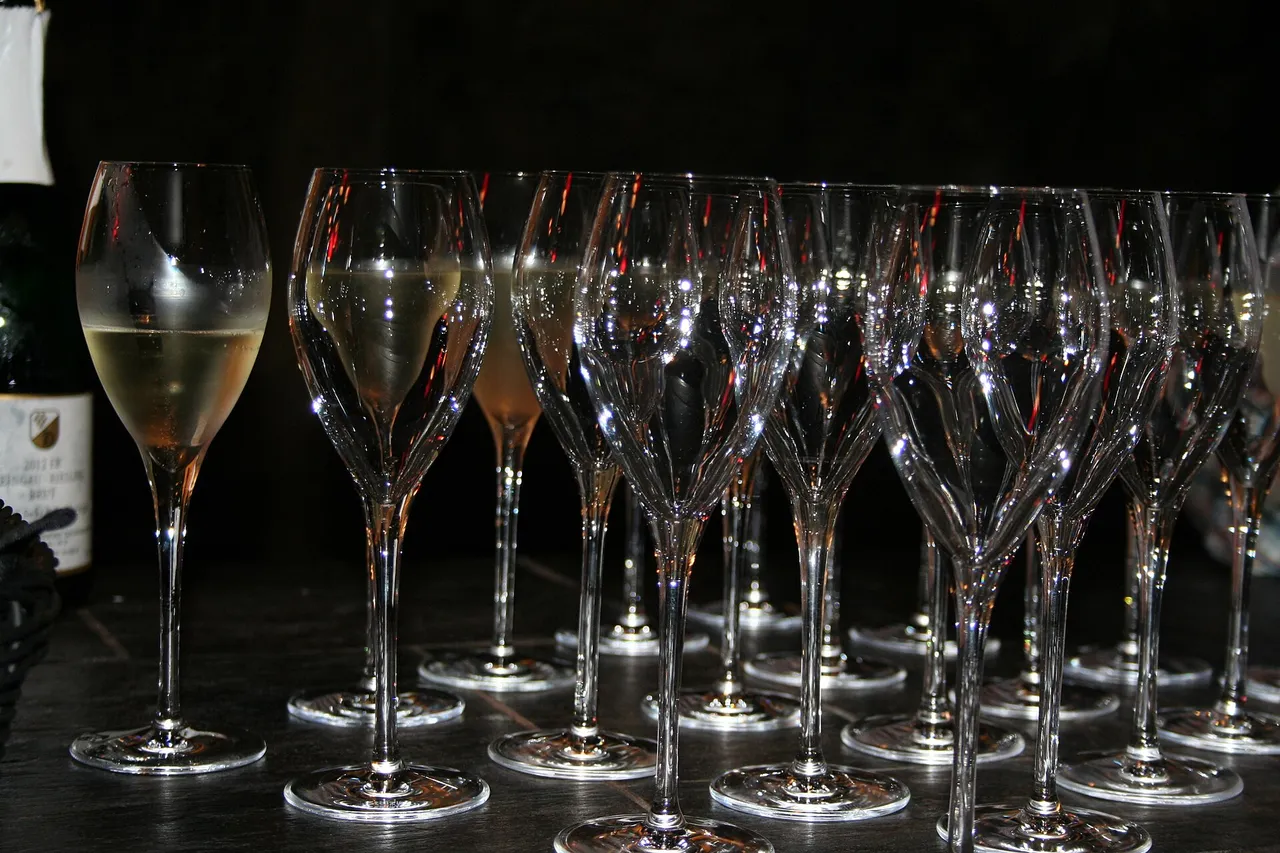
Trier, the oldest city in Germany, sits in the middle of the Mosel wine region, which makes it an ideal place not just to drink wine but to really understand it. A wine seminar combines solid knowledge of grape varieties, vineyard sites, and tasting technique with the pleasure of doing it on the spot: in historic cellars, in wine bars, or right out in the steep vineyards around the Olewig district (a wine village within Trier). If you want to dig deeper into the wine world of the Moselle, Trier offers everything from beginner courses to themed seminars.
What a wine seminar in Trier teaches you
The core of any wine seminar is systematic tasting. Under expert guidance, participants learn to evaluate a wine in three steps: looking at the color, clarity, and the so-called legs running down the glass; smelling the aromas; and finally tasting for acidity, sweetness, tannin, and length of finish.
Good seminars put what you experience into context. Why does a Riesling from a steep slate slope taste different from one grown on flatter terrain? What separates a fully dry wine from an off-dry (feinherb) version? Questions like these turn simple drinking into a conscious experience you can apply back home.
- Sensory training: targeted practice in looking, smelling, and tasting
- Getting to know the Mosel grape varieties, above all Riesling and Elbling
- Understanding sites and soils, especially the region's defining slate
- Confidently distinguishing dry, off-dry (feinherb), and noble-sweet styles
Riesling and Elbling: the stars of the Moselle
The Moselle is one of the world's most famous Riesling regions. Riesling from here typically shows lively acidity, aromas of apple, peach, and citrus, and a fine mineral note that comes from the slate soils. In a seminar you learn to recognize this signature.
A regional specialty is Elbling, a very old grape variety grown mainly along the Obermosel (Upper Moselle). It produces light, fresh, easy-drinking wines and offers a nice contrast to Riesling. Tasting the two side by side quickly shows how different wines from the same region can be.
Many seminars connect theory with the landscape itself. A walk along the Weinkulturpfad in Olewig (the wine culture trail) makes it clear just how steep and labor-intensive viticulture on the Moselle really is.
Themed seminars: wine meets chocolate and cheese
Alongside classic tastings, combination seminars are popular in Trier. A wine and chocolate seminar shows how different cocoa percentages and chocolate styles either highlight or mute the aromas of a wine. Dark chocolate works very differently with a powerful wine than a fruity bar does.
Wine and cheese seminars work along similar lines. The focus is on food pairing: which cheese suits a dry Riesling, and which one fits better with an off-dry wine? These formats are a great entry point because they make the abstract topic of aroma directly tangible.
If you want to combine the experience with a bit of the city, you can pair a seminar with a stroll across the Hauptmarkt (the main market square) or a visit to the Porta Nigra (the Black Gate), bringing together Roman Trier and wine culture in a single day.
Tastings in the vineyards and on the Moselle
Tastings held right in the vineyard are especially memorable. A guided vineyard walk leads you through the vines, often stopping for a sample on the spot, accompanied by bread or a small snack. The view across the slopes makes it obvious why the soil plays such a strong role in the wine.
A more relaxed alternative is a Moselle river cruise with wine accompaniment. From the water the vineyards reveal a completely different perspective, while regional wines are served on board. You can find more ideas in our overview of Mosel wine tours and vineyard hikes around Trier.
Regional cuisine as a companion
A wine seminar really comes together when the right food is part of it. Traditional Trier and Moselle dishes such as Gräwes (a potato and sauerkraut dish), Tresterfleisch (pork marinated in grape pomace), or Zwiwwelfleisch (beef with onions) are hearty and pair well with full-bodied Mosel wines. A powerful Riesling or a fresh Elbling are classic matches.
If you want to dive deeper, the wine taverns of Trier are the right addresses to experience wine and regional cooking together, turning the seminar into a full evening of enjoyment rather than just a lesson.
Ad
Mosel wine for home
If you want to build on what you learned in the seminar, these wine merchants offer a wide selection of Riesling and other wines from the region.
* Affiliate link. If you book, we may earn a commission at no extra cost to you.
Frequently asked questions
What do you learn at a wine seminar in Trier?
You learn how to taste wine systematically with all your senses, meaning seeing, smelling, and tasting, as well as how to place grape varieties, vineyard sites, and styles in context. The focus is on the Moselle's signature grapes, Riesling and Elbling.
Which grape varieties take center stage at a Mosel wine seminar?
Above all Riesling, for which the Moselle is famous worldwide, and Elbling, an old regional variety grown mainly along the Obermosel (Upper Moselle) that produces light, fresh wines.
What special seminar formats are available in Trier?
In addition to classic tastings, wine and chocolate seminars as well as wine and cheese seminars are popular. There are also guided vineyard walks with on-site tastings and Moselle river cruises with wine accompaniment.
Which dishes go well with Mosel wine?
Hearty regional specialties such as Gräwes, Tresterfleisch, and Zwiwwelfleisch pair well with full-bodied Mosel wines, for example a powerful Riesling or a fresh Elbling.