
Magazine
Wine Hikes in Trier and Along the Moselle: The Most Scenic Routes Through the Vineyards
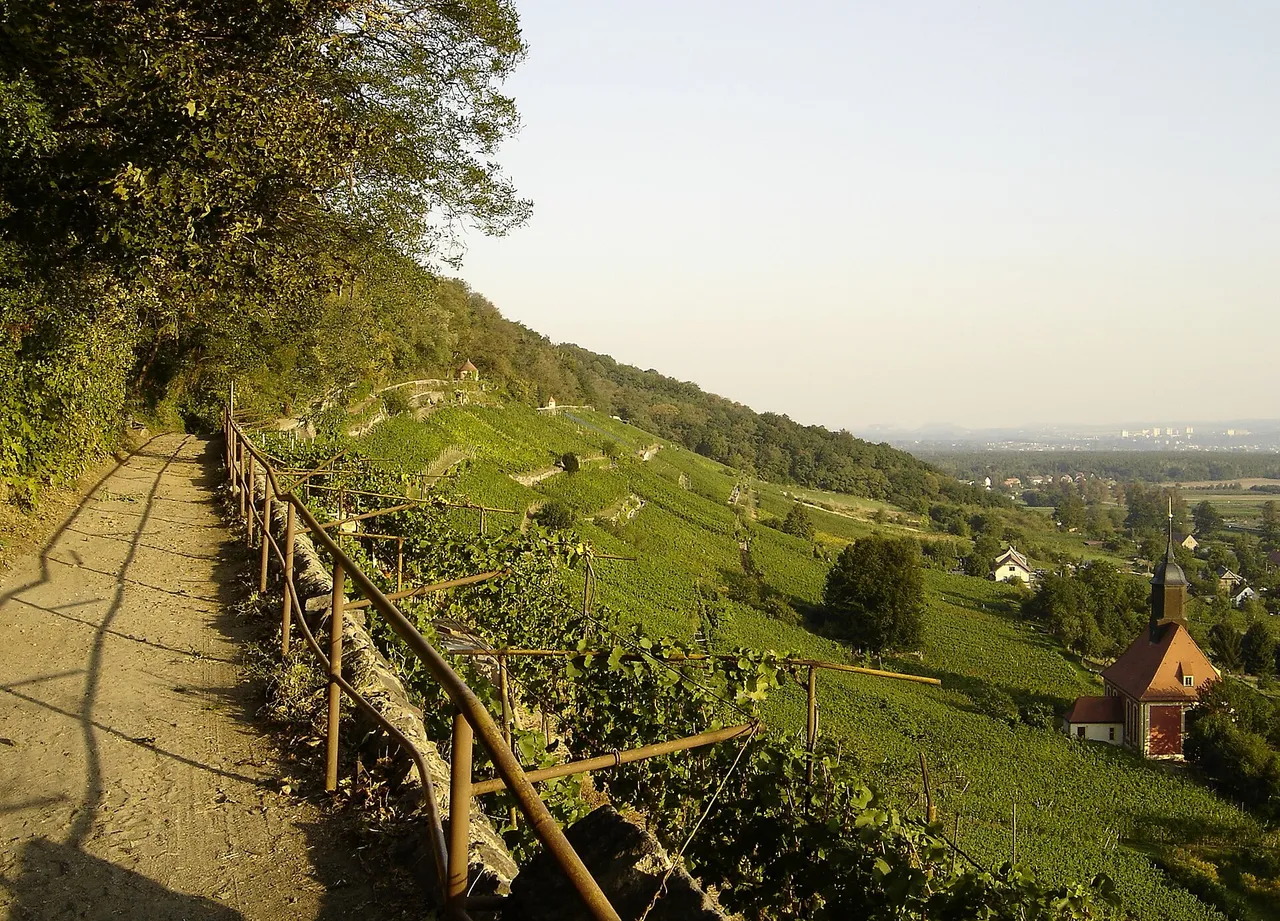
Trier and the surrounding Moselle valley make up one of Germany's oldest wine regions. The Romans planted vines on these steep slate slopes some 2,000 years ago. Exploring the landscape on foot lets you combine sweeping views over the river valley with wine history and the chance to taste a Riesling straight from the grower. The choice of trails ranges from the free Weinkulturpfad (wine culture trail) in Olewig all the way to the top sites of the Middle Moselle. This guide introduces the most rewarding routes, gives a sense of how long they take and helps you plan your day.
Wine Hikes in Trier
Trier, considered the oldest city in Germany, blends its Roman heritage with a lively wine culture. Guided tours lead through historic wine cellars and city mansions where visitors taste Moselle wines while learning about the city's past. History buffs can trace winegrowing here all the way back to Roman antiquity.
If you explore the city before or after a hike, the great monuments of antiquity are hard to miss. The Porta Nigra (the Black Gate) and the Kaiserthermen (the Imperial Baths) are a reminder that the Romans were already enjoying Moselle wine. A combined city and wine tour is a good way to ease into the region before heading out into the vineyards.
Olewig and the Weinkulturpfad
The Weinkulturpfad above the Roman amphitheater is probably the easiest wine hike in Trier. The free 1.6-kilometer loop explains grape varieties and the Devonian slate soils typical of the Moselle. You are rewarded with views over the vines, the Olewig valley and the city center of Trier, especially atmospheric at sunset.
Olewig is Trier's vintners' quarter par excellence. Many estates here host tastings where local winemakers share their know-how about growing and cellaring. For more on the neighborhood, our profile of Olewig (a wine village within Trier) has further ideas on wineries and wine festivals.
Along the Ruwer: Riesling and Slate
The Ruwer valley north of Trier is the smallest subregion of the Mosel wine area, yet it has the highest share of Riesling vines in the region. The steep sites stretch from Sommerau down to Trier-Ruwer, and the Herrenberg of the historic Maximin Grünhaus estate is one of the most famous parcels.
The Ruwer Riesling Experience Trail takes two to three hours through this landscape and makes vivid how much the slate shapes the character of the wines. Sturdy shoes are recommended on the partly steep sections.
Trittenheim, Schweich and Riol
Downstream, several Moselle villages invite you onto varied routes. The Hinkelstein trail near Trittenheim runs through the Trittenheimer Altärchen vineyard, past the Jewish cemetery and on to the Eselstratt, a menhir several thousand years old. It takes about three hours and is relatively easy, with few climbs. More demanding is the route across the Fährfels plateau to the slate cave at the Trittenheimer Apotheke site (roughly 2.5 to 3 hours).
In Schweich, you can put together a flexible two- to six-hour tour around the Annaberg, where different soils and therefore different terroirs come through. In Riol the Kumer Knüppchen loop offers views into the Moselle valley and includes sections on a via ferrata, demanding stamina and sturdy footwear. Many of these hikes finish with a tasting at the local Vinothek (wine shop and tasting room).
- Hinkelstein trail, Trittenheim: about 3 hours, easy
- Slate cave at Trittenheimer Apotheke: about 2.5 to 3 hours
- Annaberg, Schweich: 2 to 6 hours, customizable
- Kumer Knüppchen, Riol: 2 to 3 hours, partly via ferrata
The Middle Moselle: Top Sites and Wine History
Hike further downstream and you step into one of the densest winegrowing cultural landscapes anywhere. Remains of Roman villas in Longuich and Mehring speak to ancient viticulture, and in Neumagen-Dhron the Roman wine ship Stella Noviomagi recalls the wine trade of antiquity. The steep slopes produce some of Germany's most renowned wines, among them Trittenheimer Apotheke, Piesporter Goldtröpfchen and Bernkasteler Doktor.
A rewarding destination is Traben-Trarbach, once the center of the Moselle wine trade, whose Art Nouveau buildings and historic cellars still tell the story of that boom era. If you want to combine hiking with tasting, our guided Moselle wine tours and the Riesling routes along the Moselle offer more suggestions.
Ad
Moselle Wines for Home
The Rieslings you taste on the trail can also be shipped to your door. These wine merchants carry a broad selection of Mosel and Riesling wines.
* Affiliate link. If you book, we may earn a commission at no extra cost to you.
Frequently asked questions
How long does a typical wine hike around Trier take?
Most guided wine hikes run between 2.5 and 3 hours. Some routes, such as the one around the Annaberg near Schweich, can be tailored to anywhere from two to six hours.
Are wine hikes suitable for families with children?
Yes. Many providers offer tours where children get grape juice as an alternative to the wine tasting. Easier routes with few climbs, like the Hinkelstein trail, work well for families.
What gear should I bring?
Sturdy shoes are important because of the steep slate slopes. Add weatherproof clothing and a water bottle. On routes with via ferrata sections, like the Kumer Knüppchen in Riol, sure-footedness and stamina are essential.
Do I need to book a wine hike in advance?
Guided tours that include a tasting with the winemaker should be booked ahead, since places are limited. The free Weinkulturpfad in Olewig, on the other hand, can be walked any time without registration.
Are dogs allowed on the hikes?
On most routes dogs are welcome on a leash. For guided tours that include a cellar visit or tasting, it is best to check directly with the provider in advance.