
Magazine
Riesling Routes Along the Moselle from Trier
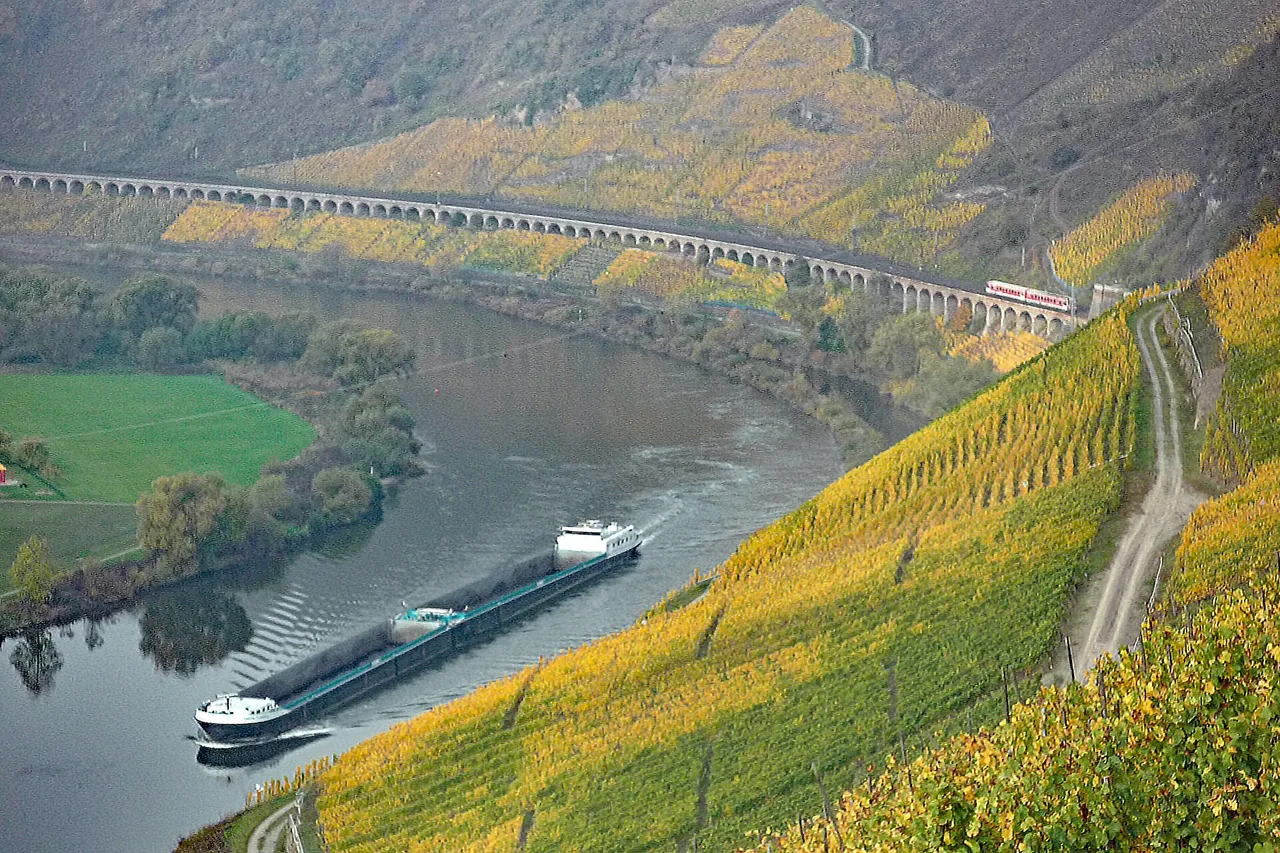
Few regions tie wine, history and landscape together as closely as the Moselle valley. From Trier, the oldest city in Germany, a chain of steep vineyards, winegrowers' villages and river bends unfolds, with Riesling setting the tone. Travelers who want to explore the wine region around Trier will find several rewarding routes leading downriver toward Koblenz. This overview highlights the most beautiful stages, wine villages and culinary moments along the Moselle.
Trier as the Starting Point of the Riesling Routes
Trier was founded around 16 BC as Augusta Treverorum and is considered the oldest city in Germany. Its Roman monuments have been on the UNESCO World Heritage list since 1986, above all the Porta Nigra (the Black Gate), built around 170 AD. If you plan to set off on the Riesling routes from Trier, take time to see the city itself before heading out into the vineyards.
Right on the edge of town lies Olewig, Trier's wine village. Wineries and Strausswirtschaften (seasonal wine taverns) stand side by side here, and the wine culture trail runs straight through the vines. A walk along the Olewig Wine Culture Trail is the perfect way to get a first feel for Mosel Riesling and its steep slopes.
The Most Beautiful Wine Villages Downriver
Follow the Moselle from Trier toward Koblenz and you will pass one charming winegrowers' village after another. Bernkastel-Kues combines a well-preserved half-timbered old town with a long winemaking tradition. The ruins of Burg Landshut (Landshut Castle), high above the town, offer sweeping views over the river and the surrounding vineyards, including the famous Bernkasteler Doctor site.
Further downstream, Cochem charms visitors with its medieval atmosphere and the Reichsburg (Imperial Castle) towering above the town. Half-timbered houses, cozy wine taverns and the Moselle promenade make it a popular stop. Many routes end in Koblenz, where the Rhine and Moselle meet at the Deutsches Eck (German Corner), with the Ehrenbreitstein Fortress on the opposite bank.
- Bernkastel-Kues: half-timbered old town, Burg Landshut and the Bernkasteler Doctor vineyard
- Cochem: Reichsburg castle, wine taverns and the Moselle promenade
- Koblenz: Deutsches Eck and Ehrenbreitstein Fortress at the mouth of the Moselle
Wine Tastings and Culinary Experiences
All along the Moselle, numerous wineries invite visitors in for tastings. Many are family-run and use guided tours to share the philosophy behind their vineyards, from dry Kabinett to nobly sweet Auslese. A guided tasting is the best way to taste the differences between slate, Devonian and Rotliegend soils. Our article on winery tours gives an overview of addresses and producers.
Regional cuisine includes hearty specialties such as Döppekooche, a savory potato bake. Restaurants and Strausswirtschaften serve traditional dishes that pair beautifully with Riesling. Travelers who want to combine hiking and tasting can join culinary tours through the vines that include stops for wine and regional food.
Active Travel: Hiking, Cycling, Boat Trips
The Moselsteig long-distance trail stretches about 365 kilometers from Perl on the French border to Koblenz, leading through vineyards, forests and winegrowers' villages. The stages are well marked and vary in difficulty, with the sections around Trier, Bernkastel-Kues and Cochem being especially scenic. Read more in our article on wine hikes.
If you prefer a more relaxed pace, the largely flat Mosel cycle path follows the river. The well-maintained route suits families and leisure cyclists, and wineries along the way invite riders to stop for a break. On the water, excursion boats and canoe trips offer a calm perspective on the steep vineyards, particularly atmospheric at sunset.
Wine Festivals and Events in the Moselle Valley
Wine festivals take place in the Moselle valley throughout the year, especially in late summer and fall during the harvest. Visitors taste the new vintages, enjoy regional specialties and experience the wine villages at their most sociable. Our page on wine festivals offers an overview of dates and highlights.
In Trier and Bernkastel-Kues, concerts, theater performances and traditional customs round out the program. Wine culture and local tradition come together to create an experience that goes well beyond a glass enjoyed in the vineyard.
Practical Tips for Your Moselle Trip
The best time to travel the Riesling routes is spring and fall, especially the weeks around the wine harvest. Since many family-run guesthouses fill up quickly, booking early is advisable. Weather in the Moselle valley can be changeable, so pack weatherproof clothing.
For arrival, the airports of Luxembourg, Frankfurt-Hahn, Frankfurt am Main and Köln/Bonn (Cologne/Bonn) are all good options, with onward travel by train or rental car. Locally, rail and bus lines connect the Moselle towns. Accommodation ranges from city hotels and guesthouses to overnight stays directly at a winery.
Ad
Mosel Riesling for Home
If you want to take the taste of the Moselle home with you, selected wine merchants offer a wide range of Riesling from the Mosel region.
* Affiliate link. If you book, we may earn a commission at no extra cost to you.
Frequently asked questions
Where do the Riesling routes along the Moselle begin?
The ideal starting point is Trier, the oldest city in Germany. From there the routes follow the river downstream through Bernkastel-Kues and Cochem all the way to Koblenz, where the Rhine and Moselle meet.
Which wine villages along the Moselle are worth visiting?
Trier with the wine village of Olewig, Bernkastel-Kues with Burg Landshut and Cochem with its Reichsburg castle are especially rewarding. Each place combines wine tradition with history and panoramic views.
When is the best time to visit the Moselle?
Spring and fall are considered ideal, particularly the weeks around the harvest in late summer and fall, when most wine festivals take place. Booking accommodation early is recommended.
How long is the Moselsteig trail?
The Moselsteig runs about 365 kilometers from Perl on the French border to Koblenz, leading in several stages through vineyards and winegrowers' villages.