
Magazine
Viehmarktthermen Trier: A Roman Bath Under Glass
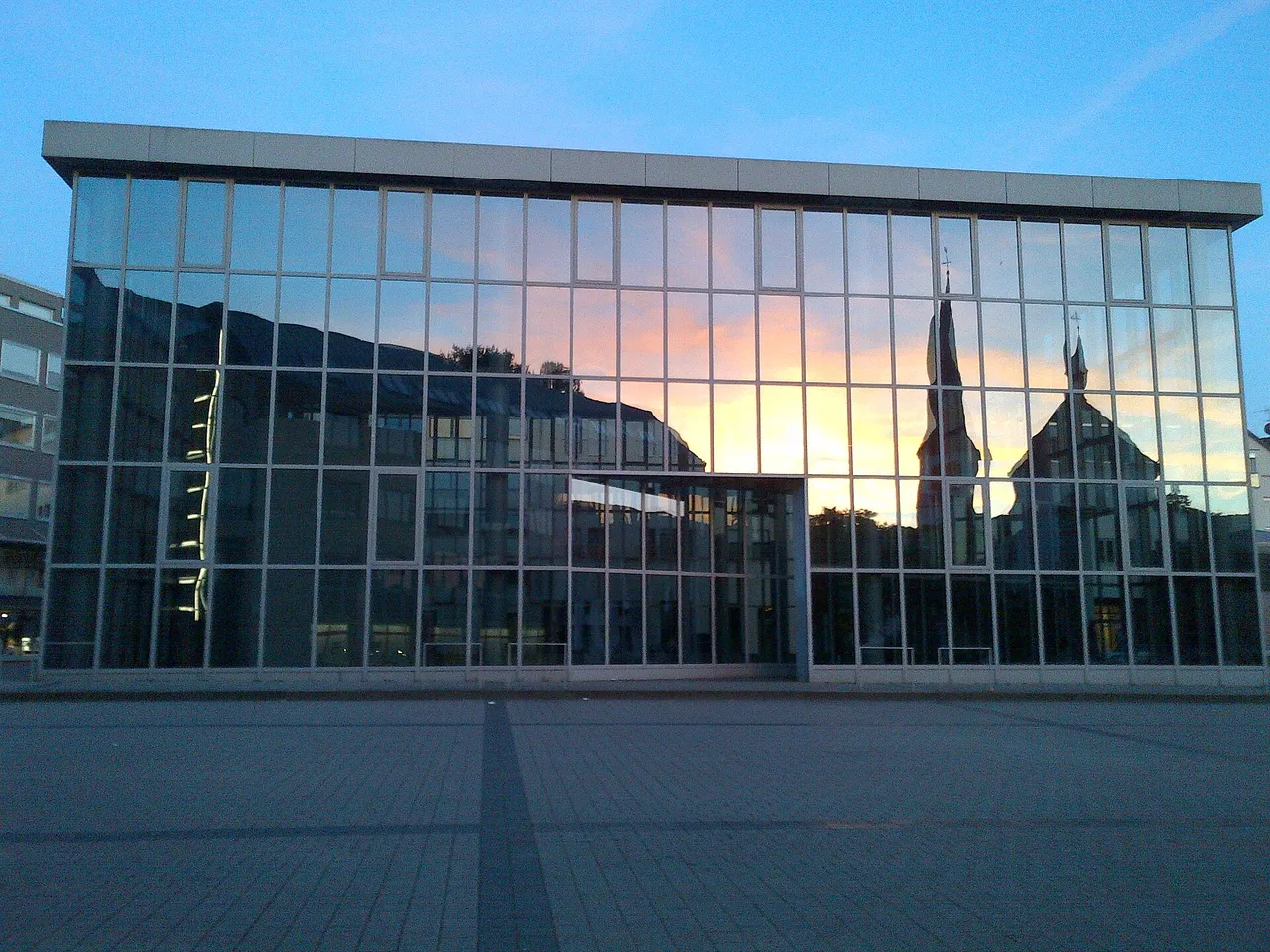
In the middle of downtown Trier, under a striking glass structure on the Viehmarktplatz, lies a hidden slice of Roman daily life: the Viehmarktthermen (Cattle Market Baths). The sprawling foundations of an ancient bath complex only came to light in 1987 during construction work, making them one of the most recent additions to Trier's deep Roman heritage. For visitors trying to understand the city's ancient past, this is an unusually legible window into Roman building technique and urban history.
History and rediscovery
The Viehmarktthermen were built in the early 2nd century AD, when Roman Trier, known then as Augusta Treverorum, was one of the most important cities north of the Alps. Like most public baths in antiquity, they were not only about washing. They were where people met, talked, and did business.
For centuries the remains lay forgotten beneath the city. Only in 1987, during construction of an underground parking garage on the Viehmarktplatz, did crews hit the extensive wall lines. What began as a parking project turned into one of the most spectacular archaeological excavations in Trier in the second half of the 20th century.
The soil revealed several building phases stacked on top of one another. Alongside the baths themselves, archaeologists found remains of a Capuchin monastery and later construction. The layers turn the site into a cross section through nearly two millennia of Trier's history.
How a Roman bath was laid out
Roman baths followed a carefully sequenced floor plan that walked bathers through rooms at different temperatures. At the Viehmarktthermen you can still trace the standard components of that layout.
The heated rooms ran on a hypocaust, an underfloor and wall heating system in which hot air from a furnace circulated beneath a floor raised on small pillars. It was among the most advanced heating technologies of antiquity, and it shows up in Trier's larger bath complexes as well.
- Apodyterium: the changing room at the entrance
- Frigidarium: the room with the cold water pool
- Tepidarium: the lukewarm transitional room
- Caldarium: the hot bathing room above the hypocaust
- Praefurnium: the furnace room that supplied the hot air
The glass shelter
To keep the exposed walls visible for the long term, a modern protective structure was built over the foundations. The glass cube was designed by the architect Oswald Mathias Ungers and opened in 1998. From a gallery running around the interior, visitors look down onto the ancient network of floor plans.
The contrast between the crisp, cubic glass architecture and the irregular Roman masonry is exactly what makes the site memorable. Unlike the sprawling open-air ruins of the Kaiserthermen (Imperial Baths), the Viehmarktthermen are experienced indoors and under cover, almost like a walk-in display case pointed at antiquity.
The site is managed by the Rheinisches Landesmuseum Trier, which also holds many of the city's archaeological finds. If you want to go deeper into Roman Trier, the Rheinisches Landesmuseum is the natural companion to a visit here.
The Viehmarktthermen within Roman Trier
Trier has several ancient bath complexes, which says a lot about its standing as a Roman imperial residence. The Viehmarktthermen are the smallest of the three major bath sites and also the last to be discovered.
By comparison, the Barbarathermen (Barbara Baths) rank among the largest bath complexes anywhere in the Roman Empire north of the Alps, while the Kaiserthermen date to the era of the emperor Constantine. Together with buildings like the Porta Nigra, they form the ensemble that earned Trier its UNESCO World Heritage designation.
A visit here fits naturally into a larger circuit through ancient Trier. If you are stringing several stops together, the three-day itinerary suggests a sensible order.
Visiting: hours, prices, and getting there
The Viehmarktthermen sit under the glass shelter on the Viehmarktplatz in downtown Trier, a few minutes on foot from the Hauptmarkt (the main market square). The site is open Tuesday through Sunday and on public holidays from 11am to 5pm, and closed on Mondays. Last admission is 30 minutes before closing.
Admission is 6 euros for adults, 5 euros reduced, and 3 euros for children and teenagers ages 6 to 18. If you plan to see several Roman monuments, the AntikenCard is the cheaper route: the Basic card (18 euros) covers two Roman sites plus the Rheinisches Landesmuseum, and the Premium card (28 euros) covers all four Roman sites and the museum. In summer 2026, children and teenagers under 18 get in free from June 26 through August 9.
A visit combines easily with the nearby Kaiserthermen and the Porta Nigra into one walk through ancient Trier. Current hours and prices are published by the Zentrum der Antike, the body that manages the city's Roman sites.
Ad
Tickets and experiences in Trier
Book admission tickets and guided tours for Trier's Roman landmarks in advance.
* Affiliate link. If you book, we may earn a commission at no extra cost to you.
Frequently asked questions
What are the Viehmarktthermen in Trier?
The Viehmarktthermen are the remains of a Roman bath complex from the 2nd century AD. They sit on the Viehmarktplatz in downtown Trier and are visitable beneath a glass protective structure.
When were the Viehmarktthermen discovered?
The complex came to light in 1987 during construction of an underground parking garage on the Viehmarktplatz. The glass shelter now covering the foundations opened in 1998.
Who designed the glass building over the Viehmarktthermen?
The glass shelter was designed by the architect Oswald Mathias Ungers and was completed in 1998.
How do the Viehmarktthermen differ from Trier's other Roman baths?
They are the smallest and the most recently discovered of Trier's three major bath complexes, and they are presented indoors, while the Kaiserthermen and Barbarathermen are open-air ruins.
What does admission to the Viehmarktthermen cost?
Admission is 6 euros for adults, 5 euros reduced, and 3 euros for children and teenagers ages 6 to 18. The AntikenCard (Basic 18 euros, Premium 28 euros) makes visiting several of Trier's Roman monuments cheaper.
When are the Viehmarktthermen open?
Tuesday through Sunday and on public holidays from 11am to 5pm. The glass building is closed on Mondays, and last admission is 30 minutes before closing.