
Magazine
Trier's Medieval City Wall: The Story of a Fortified City
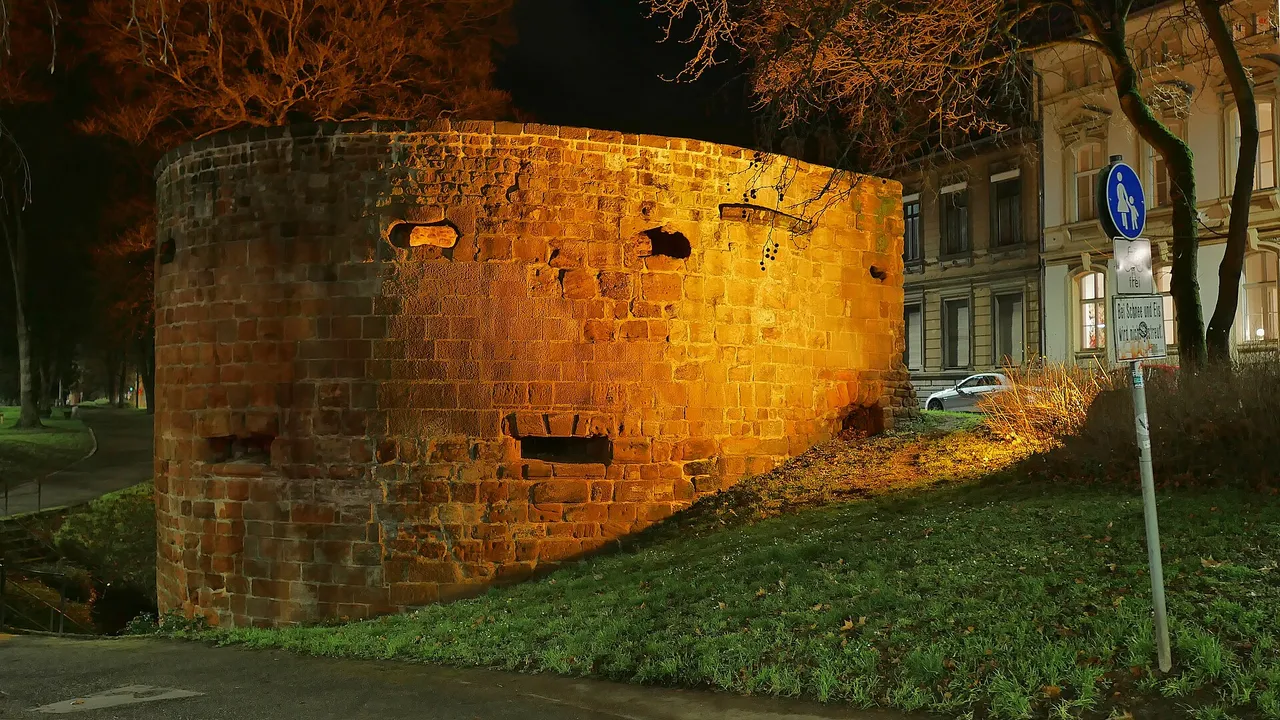
Trier's city wall is one of the most telling records of the long history of Germany's oldest city. What began as the Roman fortification of ancient Augusta Treverorum was reused, extended, and rebuilt through the Middle Ages. Even though only fragments are visible today, the line the old wall once traced still shapes the layout of the city. The most prominent surviving piece is the Porta Nigra, the best-preserved Roman city gate anywhere north of the Alps.
Roman origins of the fortification
The roots of Trier's city wall reach back to Roman times. In the 2nd century AD, the ancient city of Augusta Treverorum was ringed with a stone wall roughly 4 miles long that enclosed about 700 acres. That made Trier one of the largest cities north of the Alps.
The Roman wall incorporated several city gates and a great many towers. The most famous of those gates, the Porta Nigra, was built around 170 AD from massive sandstone blocks joined without mortar, held together only by iron clamps. It served as the main northern entrance to the city and is now Trier's defining landmark.
The wall in the Middle Ages
After Roman rule ended, Trier lost much of its importance, but parts of the old walls survived and stayed in use. During the Middle Ages the former Roman fortification was adapted to a much smaller population. The inhabited area was far more compact than at the Roman peak, so there was no need to maintain the entire ancient ring.
In the High Middle Ages, new wall sections, gates, and towers went up to meet the defensive standards of the day. The wall protected the citizenry, controlled access to the city, and marked the legal boundary of urban space. One well-known example of medieval defensive architecture is the Frankenturm downtown, among the oldest surviving residential towers in Germany.
Function and economic importance
The city wall was far more than a military structure. Tolls and duties were collected at the gates, which gave the city a crucial source of revenue. Markets and trade concentrated inside the protective walls, notably around what is now the Hauptmarkt (the main market square), the city's economic heart since the Middle Ages.
The gates regulated the movement of people and goods and were shut at night. The wall provided security while also forcing craftsmen, merchants, and citizens into close quarters within the city limits.
What survives in the city today
Of a fortification that once ran for miles, only individual sections and structures remain. Walk attentively through downtown Trier, though, and you keep spotting remnants of the old wall, either embedded in later buildings or standing free as monuments.
Beyond the Porta Nigra, other Roman monuments testify to the city's old fortification and supply systems, among them the Kaiserthermen (Imperial Baths) and the amphitheater on the edge of the center. Together with the Porta Nigra, these buildings are part of the UNESCO World Heritage site and combine well into one walk through Roman and medieval Trier.
Preservation and conservation
Keeping the historic fabric intact is permanent work. Weather, environmental damage, and the pressure of modern development all take a toll on the old walls. Restoration projects, notably at the Porta Nigra, secure the structures for future generations and keep their history accessible.
The Porta Nigra can be climbed today, and it gives visitors a vivid sense of how Roman and medieval fortification met in Trier. A guided walking tour is the best way to follow the traces of the old city wall and understand what it meant for the city.
Ad
Matching offers
* Affiliate link. If you book, we may earn a commission at no extra cost to you.
Frequently asked questions
How old is Trier's city wall?
The original Roman city wall was built in the 2nd century AD. The Porta Nigra, its best-known surviving gate, went up around 170 AD. The fortification continued to be used and extended through the Middle Ages.
How long was the Roman city wall?
The Roman wall formed a ring of roughly 4 miles and enclosed about 700 acres, which placed Trier among the largest cities north of the Alps.
What can you still see of the city wall today?
Mainly the Porta Nigra, plus individual wall sections and towers downtown. Other Roman monuments such as the Kaiserthermen and the amphitheater round out the picture of the ancient fortified city.
Can you go inside the Porta Nigra?
Yes. The Porta Nigra is open to visitors and is part of the UNESCO World Heritage site. It pairs well with a guided city tour that also covers the history of Trier's city wall.